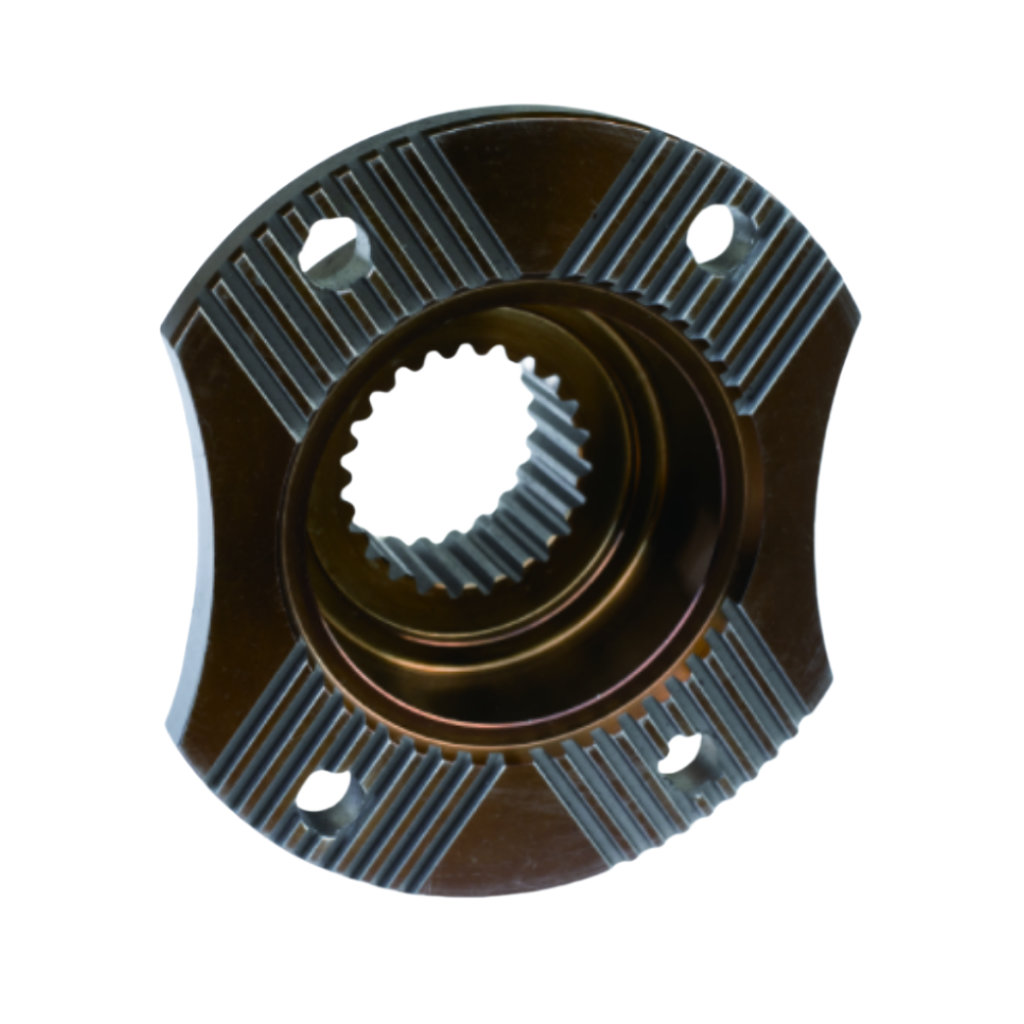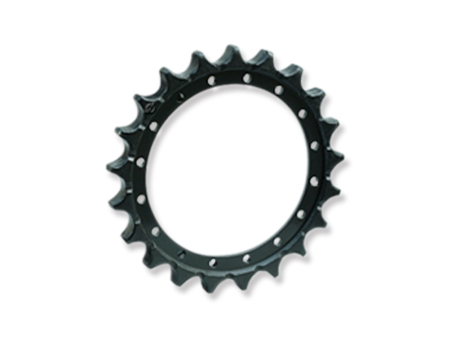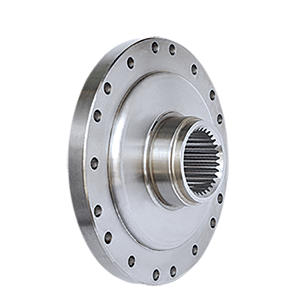
Excavator gears—especially those inside the final drive, swing motor, and gearbox—work under heavy load, constant vibration, and continuous impact. No matter if it’s a 62-tooth gear, a planetary gear set, or a pinion gear, these components are designed to be tough, but their lifespan still depends heavily on how they are used and maintained.
And as we mentioned in previous blogs about gear tooth selection and casting processes, the material and heat treatment are only half the story. The other half is how users take care of the gear during real operations.
So today, let’s look at the practical ways to extend excavator gear life—explained in a simple, beginner-friendly way.
Gear lubrication is the No.1 factor that affects lifespan. Without proper oil, even the best gear with QT heat treatment or carburizing will wear out quickly.
Check gearbox oil levels regularly
Replace oil based on working hours, not guesses
Use the viscosity recommended by the equipment manufacturer
Avoid mixing oil brands unless absolutely necessary
When lubrication breaks down, friction increases sharply and micro-damage starts to appear on the tooth surface. Over time, these micro cracks expand, eventually causing pitting and breakage.
Even though gears are designed for heavy-duty use, overloading will dramatically shorten their service life.
For example:
Repeatedly lifting more weight than the machine is designed for
Fast switching between forward and reverse
Aggressive digging in extremely hard soil
Using the excavator for tasks beyond its intended purpose
Sure, sometimes work gets busy and operators might say, “Let’s just push it a little, it’ll be fine,”—but honestly, this habit quietly damages the gears and bearings over time.
If you operate the excavator in muddy or sandy conditions, the final drive becomes extremely vulnerable. Abrasive contamination will gradually enter the gearbox seal area, leading to wear.
Wash the final drive after working in mud
Avoid prolonged submersion in water
Inspect the seals regularly
Replace worn-out seals immediately
Mud, sand, and small stones act like “invisible sandpaper,” constantly grinding the gear surfaces.
Regular inspection is more important than many operators realize.
A simple visual and sound check can prevent big failures.
Look out for:
Abnormal noise from the gearbox
Sudden changes in temperature
Slight vibration during rotation
Gear tooth discoloration (a sign of overheating)
And here’s the thing: if you catch issues early, the repair is small and cheap. But if you wait until the gear breaks, the whole drivetrain can be damaged—ouch, that’s expensive.
As we covered in our blogs about casting and heat treatment, the gear’s material and process determine the base durability.
Look for:
QT (quenching & tempering) treated gears
Proper hardness distribution
High-quality casting or forging
Precision machining
Cheap gears may look fine at first, but they often lack uniform hardness and proper microstructure. That means they wear out faster and put the entire gearbox at risk.
If you’re investing in a replacement part, choose a reputable China manufacturer / China supplier that can provide stable quality testing, material certificates, and machining accuracy reports.
Even the strongest gear cannot survive rough or incorrect operation.
Training should include:
Smooth gear shifting
Proper throttle control
Avoiding sudden directional changes
Understanding machine limits
“Operator habits” are one of the most underrated factors in gear lifespan.
When replacing gears, many users only change the broken parts.
However, gears work in pairs and systems:
Bearings
Bushings
Shafts
Planet carriers
Housing
If one part is worn, the others are often worn as well.
Replacing them together ensures proper alignment and reduces long-term stress on the new gear.
Extending the service life of excavator gears is not complicated. The key lies in:
Proper lubrication
Preventing overloading
Keeping systems clean
Routine inspection
Using quality replacement gears
Training operators
Replacing related components
With consistent care, gears can last significantly longer, reduce downtime, and lower repair costs. Ultimately, good maintenance brings more efficiency and better performance to your excavator.