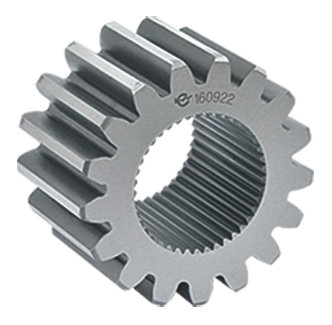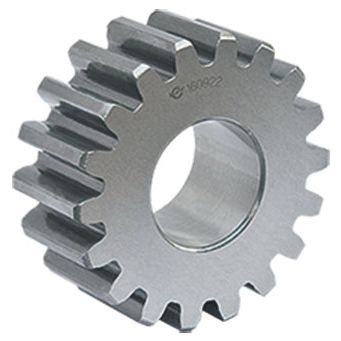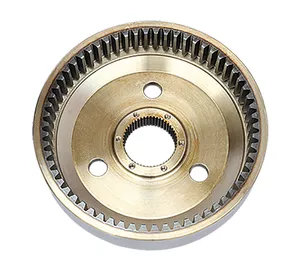
If you’re involved in machinery maintenance or parts sourcing, you already know how important final drive gears are. They transfer power, handle shock loads, and keep excavators and loaders running smoothly even under tough working conditions.
But here’s the big point: casting technology has changed — and these upgrades are transforming gear quality in ways that benefit buyers more than ever.
Old-style casting often led to:
Uneven gear profiles
Surface porosity
Weak structural zones
But modern precision casting technologies—such as lost-wax casting, vacuum casting, and controlled cooling—significantly reduce these issues.
Now, final drive gears for models like Liugong 50, SDLG 50, and XCMG 50 series can achieve:
Better tooth uniformity
Tighter tolerances
Smoother surface finish
And yes, this directly improves mesh performance and reduces noise.
Let’s transition into something equally important: heat treatment.
A final drive gear is only as strong as its internal structure. With modern quenching, tempering, and induction hardening, the gear achieves:
Deep and even hardness
Strong resistance to wear
A tough internal core to absorb impact
The combination means gears last significantly longer.
And honestly, that’s what every user wants—nobody wants to replace gears every few months, right?
Modern casting isn’t just about new machines—it’s about better materials.
Factories now use:
High-alloy steel
High-carbon steel
Improved molten-steel purification
Micro-alloying techniques to boost fatigue resistance
These upgrades allow gears to withstand heavy loads in:
Excavator final drives
Loader planetary gearboxes
High-torque transmission systems
In real-world terms, gears hold up FAR better in harsh environments like mining, demolition, and long-term construction work.
Automation reduces human error, period.
Modern China manufacturers use:
Automated pouring
Robotic arm molding
Continuous temperature monitoring
Real-time defect detection
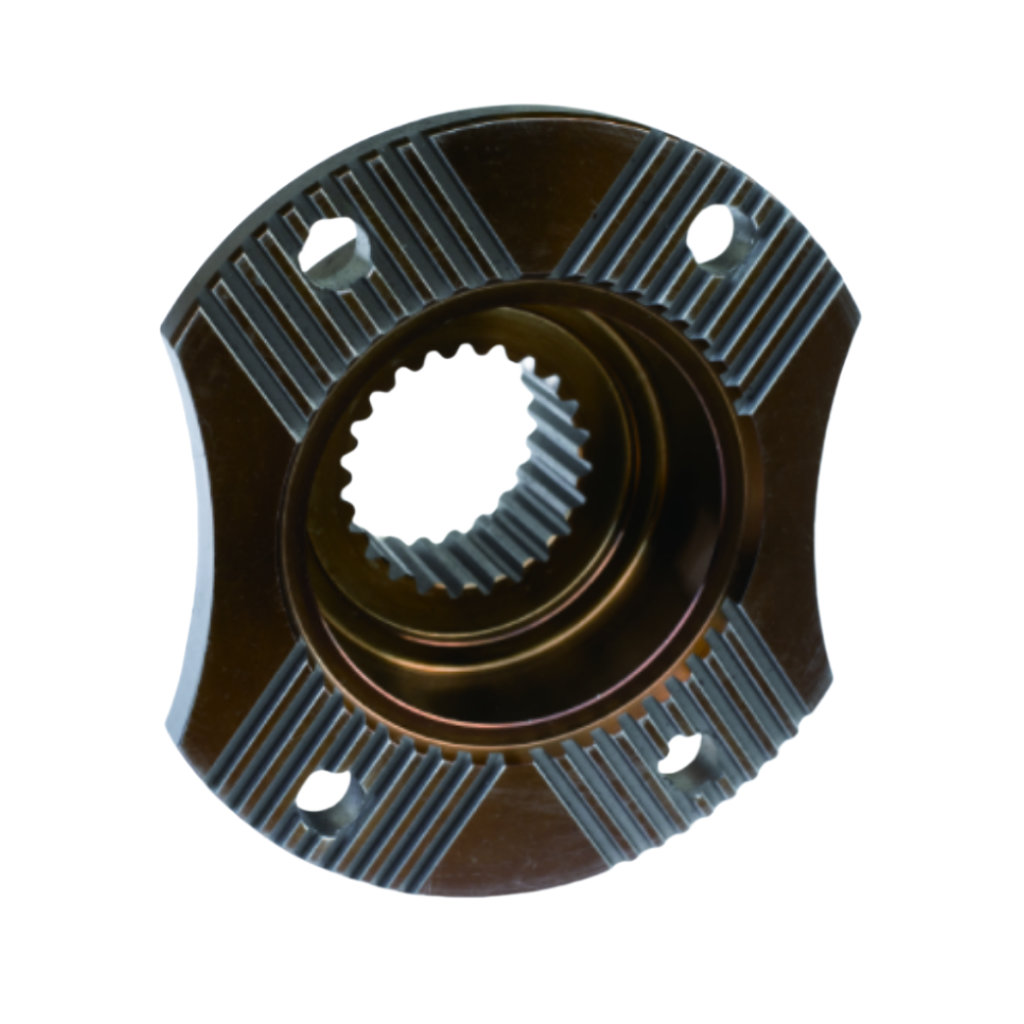
This ensures that every gear—from a 51-tooth loader gear to a 62-tooth Liugong gear or 67:50 splined SDLG gear—comes out with consistent quality.
One customer told us, “I used to worry about batch differences. But now, gear quality stays the same from order to order.”
And honestly, that’s a huge relief for any B2B buyer.
Thanks to upgraded casting and heat-treatment technology, final drive gears now offer:
Longer service life
Reduced breakage
Smoother transmission
Lower maintenance costs
These improvements translate directly into lower operational downtime—something every contractor and equipment owner cares about.
The casting industry is evolving quickly, and final drive gear quality is improving as a direct result. With better materials, heat treatment, precision casting, and automated processes, buyers today receive stronger, more reliable, and more durable gears for loaders and excavators.
If you rely on planetary gears, sun gears, ring gears, or gearbox components, these technological upgrades matter more than ever.